

Crafty Coping: A Craft Beer Connoisseur’s Guide to High-Functioning Alcoholism
Originally published on June 28, 2018; edited and republished November 2021
All day today — and throughout many past days, as well — I’ve had an insatiable urge to drink. Usually I'll want one beer that turns into two or three, but this afternoon I was prepared to down a few shots when I got home, which was unusual. Two shots, then one more of course.
I got home from work and distracted myself with too many Ritz toasted chips and more than enough chocolate, but once my stomach settled, my appetite for hard liquor persisted. The cheap rum and craft vodka atop the fridge screamed loudly, tempting me to give in.
I resisted, but the internal battle was going strong. I kept asking myself, Why is this such a continuous issue? Why can’t I just say no and forget about it?
A couple weeks ago while I was writing thoughts on my Fourth Step, I came to terms with, and admitted to, being a high-functioning alcoholic — or a functional drunk, as a friend would say. It doesn't matter what label you give it, it's all the same. I have a hard time just saying bluntly that I'm an alcoholic; the words high and functioning must go in front, as if those two words soften the meaning, but they don't.
It was my intention, after admitting it, to quit drinking, but I've since had quite a few, especially following a stressful day. Sometimes I throw myself up on a high horse and internally shame those around me who drink, but I'm the one with a problem and the only one I should be worrying about. Projecting is only a short-term solution, and a big red flag that signals you’re in denial.
I used to tell myself that I wasn't an alcoholic because I don't mirror the "typical" alcoholic. You know, the disheveled person who starts drinking in the morning and whose words always wreak of booze; the person who can't hold down a job and has incredibly dysfunctional relationships. That's not me, but I figure in general...
If you have to convince yourself you're not, you probably are.
After a night of too many drinks and an emotional outburst at a bar, I started reading into alcohol abuse and discovered that there is another kind of picture painted for the alcoholic — my "kind." Maybe yours, or someone you love's, too. Here are some of the traits I came across:
Women have 3+ drinks a day or 7+ a week.
Men have 4+ a day or 14+ a week.
Often drink alone.
Consume to cope.
Feel the need to drink for every situation.
Find excuses to drink.
Need to drink to feel relaxed or confident.
Joke about being an alcoholic.
Deny having a problem.
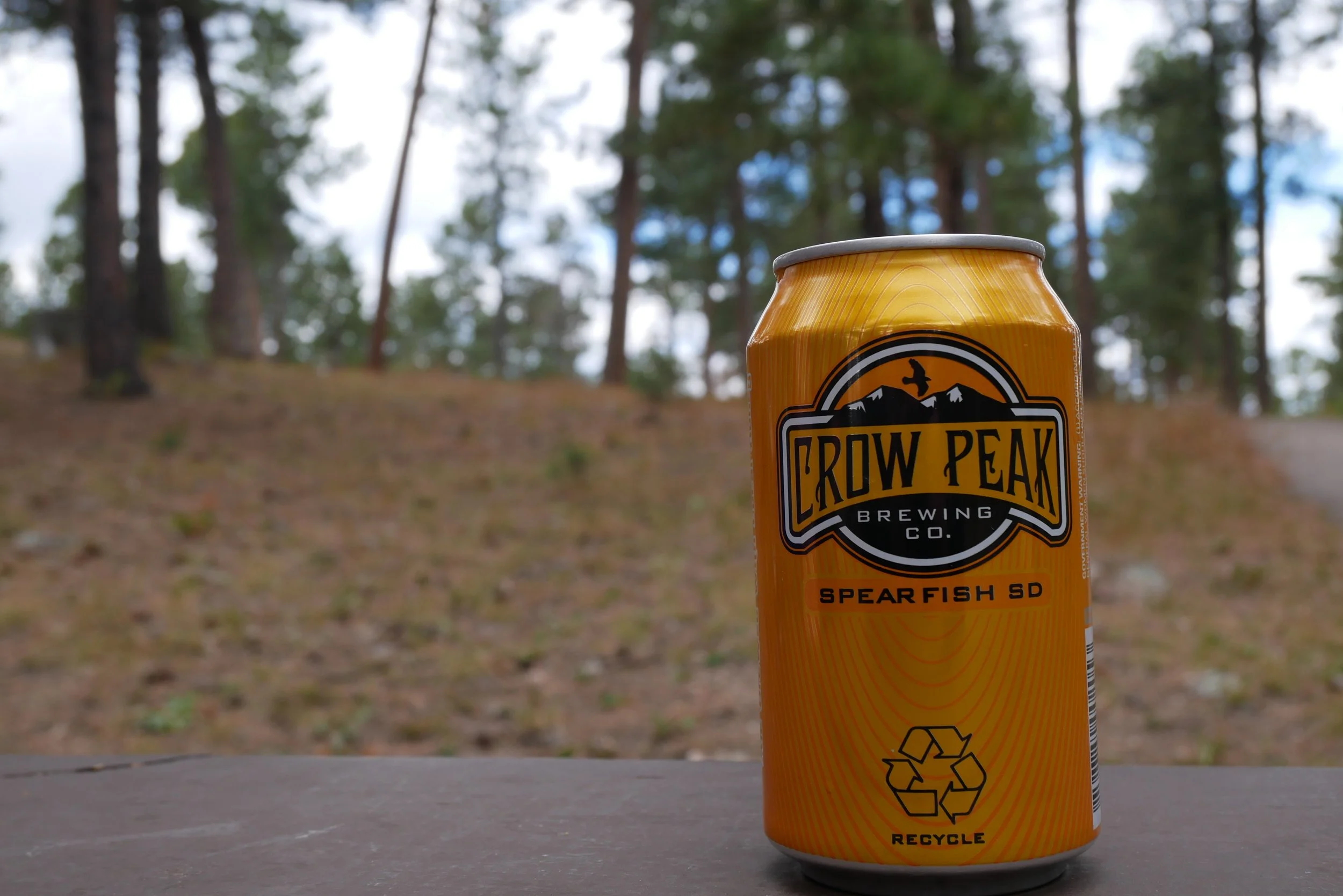
At first I didn’t want to believe it; I was just a craft beer connoisseur in my eyes! I loved seeking out new and exciting beers from various breweries, but in reality I just wanted to feel a buzz and have an excuse for it. If I could enjoy just one for the taste and be fine with that, the story here would be a little different. Just one more won't hurt...okay, one more...this tastes so good (I don’t feel anything yet), one more will be fine.
The number of drinks I have during the week has been cut down considerably, but if I'm not drinking, I will have at least thought about it several times and fought with myself about whether or not to give in. Like tonight. I work hard outside all day, I deserve to wind down with a few drinks right? I should be able to reward myself with a cool, carbonated beverage!
(I'm drinking sparkling blueberry tea and maple syrup mixed in — how about that for a carbonated beverage substitute, ey?)
On this continuous path of introspection, I have had to ask myself many questions.
The obvious and most important question regarding this issue is: Why do I want to get drunk?
The answer: I'm not comfortable.
I haven’t been comfortable with myself. I haven’t been comfortable with the people, places and things that I surround myself with, and feel the need to blur my experiences with them. I’ve suppressed or numbed complicated emotions by focusing on drinking and catching a buzz, rather than sitting with my discomfort or seeking a friend to vent to. It's okay to be uncomfortable though — it's a part of life and necessary for growth, but only when the discomfort is addressed and handled head on; when it isn't denied and contained deep within.
Alcohol doesn't treat discomfort, nor anything else for that matter. It ignores your problems and often makes them worse.
I have no answers yet for how to rid myself of alcoholism, I’ve heard you’re never fully free from it anyway. But in all honesty I’m not sure I want to entirely drop this habit. I do enjoy the atmosphere of local breweries and experiencing the various tastes of craft beer. Coffee shops are wonderful, too, but they just aren’t the same. They typically aren’t a place to converse with a random stranger enjoying the same beer as you or the person behind the counter.
It’s obvious that my relationship with alcohol needs to change, though, whether that’s forgetting it altogether or practicing self control. If you find yourself relating to me here, or identify with any of the traits listed above, you might find yourself asking why it seems important for you to drink more often than not. Are you uncomfortable or turning your back on difficult issues? I hope you find your answer.
Later…
It’s been a little over three years since I recognized my problem with alcohol and wrote this. I felt the need to check in with myself and write a little update.
Going long periods without drinking and not even thinking about it became much easier through the years. I can’t say that I completely stopped drinking to deal with stress and emotions, but it was a less common theme. Every now and again when things would get hectic, I’d opt for a few beers rather than tea or something healthier. I still enjoy going out to breweries to journal, read or sit and ponder, and can stop at just one beer. Do I sometimes have two? Yes! But I’m no longer enjoying several and then driving home; no longer getting drunk alone — hell, I don’t even get full-on drunk anymore!
For these past few years I’ve held the opinion that there are people who do need to cut off their drinking entirely, but some just need to become aware of their patterns of drinking and determine if their relationship with alcohol simply needs to change. I also said if I tried that and it didn’t work, quitting would likely be the better solution.
It’s November 28, 2021 and I’m ready to quit living in denial that I’m still drinking just to enjoy my craft beer and local wine. It’s still a problem, even if it isn’t as bad as it once was. There are healthier ways to cope with stress, now it’s time to find and stick to them. I hope to check in next time with a more successful update — a sober update with helpful tips to quit. Cheers!
Do you relate?
Care to share?
Comment below and let your truths set you free...