Narcissistic Friends and Their Codependent Comrades
Published December 5, 2021
*Name has been changed
Last week I introduced my childhood friend, Autumn*, and summarized the story of our recent falling out. Fatal Friends (Part One) sets the stage for this piece if you haven’t read it yet, although you’re welcome to carry on as Part Two can stand on its own.
This week I’m highlighting more stories from that fatal friendship and diving deeper into the characteristics of narcissistic friends and their often-codependent comrades.
Please note that everything described here and in Part One is written for healing purposes, for myself and others — not to call this person out for criticism from readers. Ninety-nine percent of people reading won’t know her identity and I intend to keep it that way.
I reveal all this to shine a light on the types of behaviors that are unacceptable from anyone in your life: friends, family, lovers, etc. — so that you can recognize it and call it out or leave.
I also confront my own mistakes and patterns with the intent to understand the part I played, and warn others that while a friend may be treating you terribly, it takes two to tango. It’s easy to play the victim, and sometimes you may be just that, but it’s worth looking at your own role in an unhealthy relationship, too.
The Narcissistic Friend
While I was analyzing the last seventeen years of friendship with Autumn, I noted a lot of stories with examples of her toxic behaviors and poor treatment of me and others. These were the ones that made the biggest impact on me within our friendship and personally in my everyday life.
Envious Rivalry — There was never an explicit request to downplay and dull my life with Autumn, more of an implicit one conjured by her uncomfortable responses or the lack of, and envy-fueled comments about other people not deserving good things.
I felt rude expressing my happiness and optimism about life and love to my friend who was constantly broke, didn’t enjoy children, talked poorly of others, and remained in a never-ending rotation of unhealthy situationships. My finances, child, and husband transformed into negative experiences around her to avoid somehow inflating her insecurities, like it was my duty to prevent her from feeling worse about herself.
In the distant past, I slowly ceased sharing my wins altogether. More recently when I did share exciting bits about my life, I needlessly included her in the excitement. When my husband bought me a camera for my birthday, I told her about it and followed it up with an offer to do a photoshoot. When I got a new car, I offered to sell her my old car for a cheap price and didn’t ask for anything up front. When I created new blog posts early on, I asked her to revise them and give her opinions rather than just share them as personal accomplishments.
Nothing could just be as it was — somehow I didn’t deserve those things because more than a decade later she was still struggling.
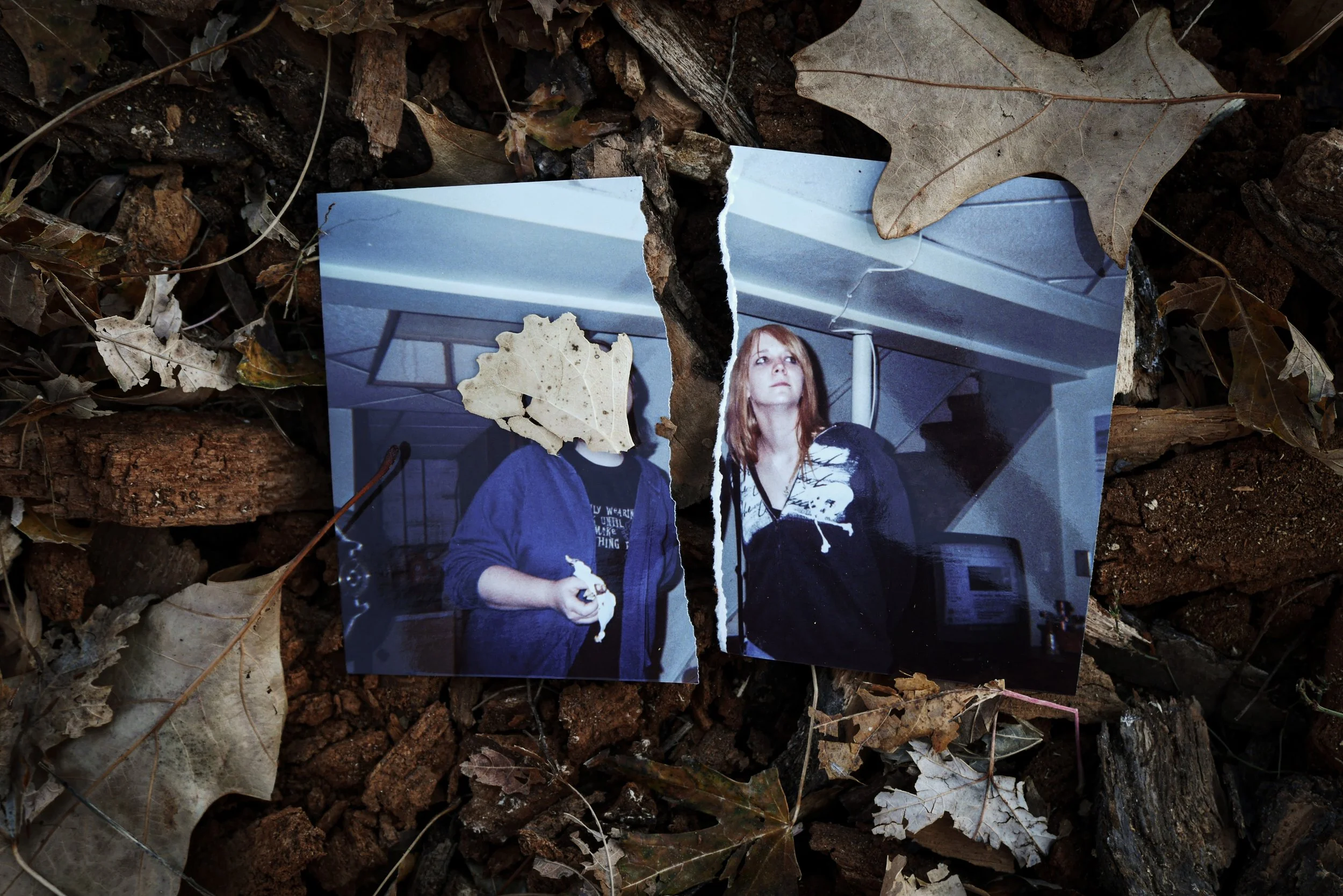
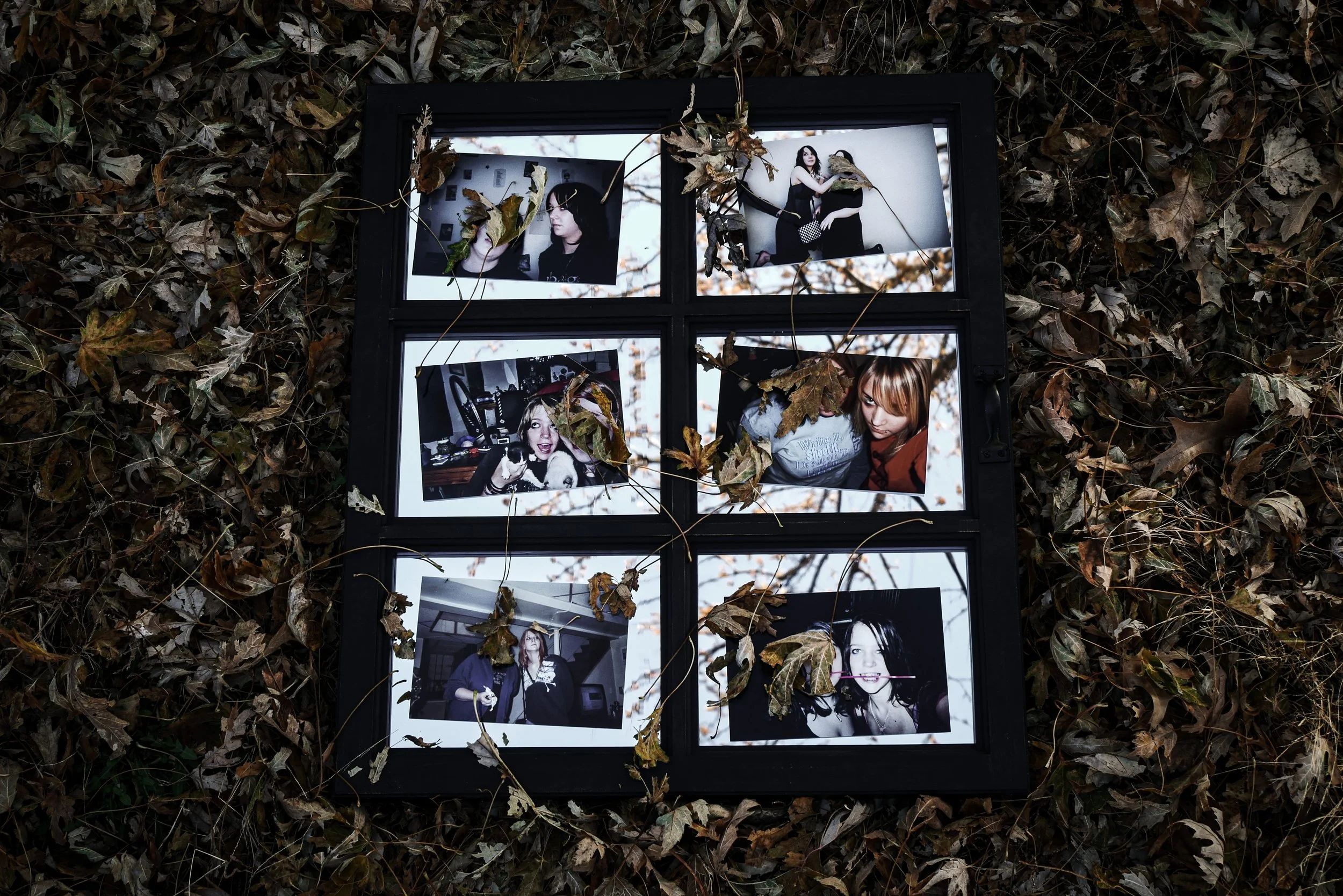
My friendship with Autumn began in high school and even back then everything felt like a secret competition to her: grades, looks, boys, material possessions. I didn’t feel like she could celebrate with me, and if she did it looked very forced or came paired with a passive-aggressive remark.
The times she seemingly sounded excited for me were via text, often preceding a time of need. I used to think it was all in my head, but a couple years ago Autumn admitted that she felt like a bad friend because she couldn’t feel happy for me and knew she should. I responded that I’d always had that feeling about her, but that it was okay. What I should have said was: Cool……..peace out!
I have a generally happy life these days, but started noticing that when we hung out, the topics of conversation were usually pessimistic or short-lived if about pleasant aspects of my life. But when it came to hers, we could talk all day about how many creeps compliment her on Instagram, or about the latest dude who loves her and pines for her attention. Otherwise, she’d listen to me ramble about random topics to fill awkward silences between us.
I used to wonder why I couldn’t comfortably confide in her; why I’d get a sick feeling of uncertainty holding my words back. I rarely felt a sense of authentic empathy from her. That’s not to say I’ve never let her in on awful periods of my life — she knew my Minnesota situation and said I could move in to avoid couch surfing or living with my parents when I moved back.
I’m extremely thankful for that and on the surface it sounds like a kind gesture, but I’m sure her empty wallet more than enjoyed the discounted rent for several months. It also fueled her attempts to guilt me into letting her move in with my family and me years later, which I denied a couple times. At the point I finally agreed with boundaries and a time limit, she declined my offer (thankfully!) but didn’t hesitate to ask me for $400 for motel money.
It took me years to realize I'd been quietly shrinking myself to fit inside her discomfort. If your friend often enviously competes with you and others, or has the inability to feel happy for you, it’s worth considering what kind of effect that’s had on you.
Parasitic Entitlement — As if it weren’t enough to constantly devalue yourself to stroke your friend’s brittle ego, at times you may also feel obligated to give them what little value you’ve managed to hold on to.
I should have known I’d never see a dime for the vehicle I recently “sold” her, based off a previous experience hooking her up with a vehicle. A couple years ago, Autumn’s car took a dump and she needed a way to get herself and boyfriend-at-the time to work. My ma-in-law, Roxanne*, had an extra (although crappy) vehicle and I convinced her to sell it to Autumn for a decent price, noting that she could trust she’d be paid.
Roxanne agreed and sold the vehicle, also not asking for anything up front. A few weeks later, she opened a Facebook message from a guy that Autumn (under a false name) sold the car (still registered to Roxanne) to, in order to have money to move out to the coast — like it was just hers to sell.
I told Autumn she should use that money to pay Roxanne, seeing as she sold it for more than she “bought” it, but she only paid half. It seemed that buying a Nintendo DS and games for the train ride were more important.
A week or two later, when Autumn decided to move out to the coast, she asked if I would take care of her two cats until she found a way to transport them. Who else would take care of them? Was it even a question? I wanted to see my friend follow her dream of living on the rainy west coast, so I agreed.
The three months that I had those cats were a complete nightmare; they puked, pissed and shit all over my house. I was pregnant at the time and worried about being around so much cat shit, not to mention how disgusting it was to clean and smell daily (my house reeked for weeks even after they were gone.)
When I let Autumn know she needed to figure out a way to get them because I was done with the filth, she became livid and tried to make me feel guilty for even asking because it was somehow my job to keep them until she decided she wanted them back: Merry fucking Christmas! she responded.
Due to her state of distress, I led the search for a reasonably priced pet transport service, but had little luck scheduling one. I was prepared to use some of my own money, just to get them out and avoid going to the shelter, but my husband said not to. When the two-week time limit I gave her was up, I had to take her cats to the humane society and didn’t hear from Autumn for months until she miraculously got her microchipped cats back.
Before these more recent examples, I’d long felt a sense of entitlement from her. When higher positions opened up at her job and she didn’t get them, she accused her bosses of being sexist because she’d been there longer than the person who did get the job. There was also felt entitlement to hefty tips when a wealthy customer came into the coffee shop she worked at, and utter disdain if they didn’t tip her well.
Several years ago when a long-term boyfriend broke up with her, he was painted as a monster despite her mooching off him for years while she completed her associate’s degree (and cheated on him in the meantime.) When they split, he allowed her to keep the car that was still titled in his name, just asked that she make the loan payments every month.
When she was late on a payment he would reach out to her with a reminder, and apparently he had no right to do so — I mean, it’s not like his credit score was suffering due to her late payments. Sometimes I wonder if it was years of dealing with her that chipped away at his morale, rather than the other way around.
A friendship should be equal give and take with no strings attached or invisible score board. I spent years giving to someone who kept score of everything she received and nothing she took.
Blameless Victimhood — If you have codependent tendencies, it can be easy to fall victim to a blameless “victim”, since you might unknowingly seek out people who give you the impression they’re in need of saving.
Last winter while Autumn was still on the West Coast, she messaged me with a problem — the exact details of the problem escape me, she had a lot. What I do remember is hinting that maybe so many things go wrong because of her rash decisions and choices.
Big mistake! She doesn’t make life happen, life happens to her. Everyone is psychotic and cruel, she is innocent! We went back and forth for a bit and I remember shaking so badly from rage, I cut the conversation and blocked her, then went into an intense venting session with my husband on Autumn’s lack of regard and self-awareness.
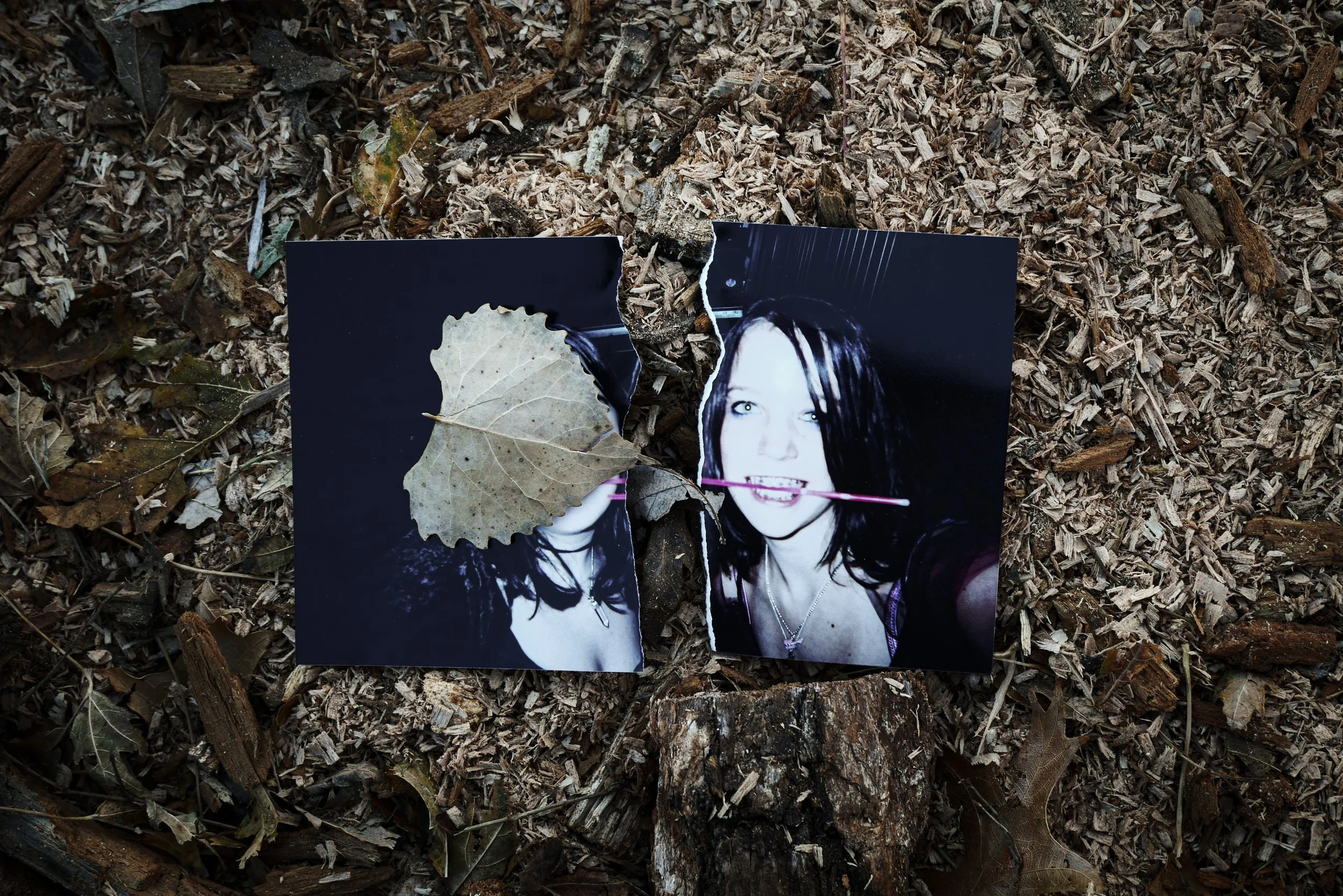
It occurred to me that she seldom, if ever, took responsibility for anything disastrous that happened. It was always this cruel world’s fault, or someone else’s doing. Everybody else was the villain and she was merely a damsel in constant distress. And who knows, maybe there was a little bit of bad karma? If so, still her fault in the scheme of things.
One of the last times she complained about her then-boyfriend’s treatment and insinuated she needed a place to stay, I didn’t respond and she assured me, “You know I would never lie to you right?” In my years of learning about interrogation and deception detection, I found it’s almost always the dishonest person who assures others of their honesty and trustworthiness; it’s generally the guilty party who gets viciously defensive to make others back down. My gut churned; it made me wonder how many other times she exaggerated her circumstances to fool me into helping her, or at least offer pity.
The longer you keep people with this level of dysfunction around, the more their version of reality starts to feel like yours…but it’s not.
Masked Manipulation — This toxic trait often goes hand-in-hand with the previous one, where a person might use their proclaimed tragic life circumstances to manipulate others into giving them what they want.
My husband, Alex, disclosed a story of a manipulative encounter with Autumn years ago while I was temporarily back home. He and I, only friends at the time, made out a bunch one night when we were hanging with a group of friends, Autumn included. I left Nebraska and it wasn’t long after that she (while dating previous guy mentioned) tried coming on to Alex.
He politely denied her because he’d never seen her that way, and he wasn’t about to get with his friend’s girlfriend. She kept trying to pursue him despite his disinterest, and when he continued denying her she snapped, “Amanda doesn’t care about you, she’s never cared about you!” He left the party and began walking down the road.
Autumn followed Alex down the road crying, “What, you don’t think I’m pretty?” He told her it wasn’t that and kept walking as she yelled at him, then desperately barked, “Well, I’m just going to kill myself!” All he said was okay and continued on down the road — he just wanted to get away.
When I heard this story, it sadly didn’t surprise me as he’d told me of other occasions that she tried coming on to him in the past. The fact that she threatened to take her life unless he gave in, first off disturbed me, but also reminded me of all the times she would bring up suicide to me during times of need. I like to hope it wasn’t manipulative towards me, but now I wonder.
It’s difficult to count the amount of times Autumn would come to me with the latest tragedy and passively insinuate that she wanted my help. Early on when she moved to the West Coast, she messaged me that she was starving and had no way to get food. I went to her bank that day and deposited money so she could buy some, but later found that she and her boyfriend were making trips to the food bank. Maybe my donation funded their weed instead.
Every couple months I’d hear from her about how terrible life was going or about her psychotic sister and boyfriend treating her like garbage. I began to get the feeling that she was subtly asking for something, rather than simply venting to a friend. When I quit offering to assist her out of ruts, she changed her tune to a more cheerful one and started acting as if she was ready to get her life together — and yes, tricked me once again into helping her.
You can only help those who want to be helped…unless they’re merely coercing you into believing they’re ready. Often, people like this don’t want to better themselves because somehow they see no reason to improve.
These were the most prevalent and impactful toxic traits I discovered in my friendship with Autumn, and not only did they exist within the realm of our friendship, they began affecting how I treated people outside of that friendship.
It’s still uncomfortable for me to share positive aspects of my life, and I’m overly cautious when meeting new people, wondering what it is they want from me. Becoming aware of these patterns has helped, but awareness and change aren't the same thing.
And I’d be lying if I said I’m one hundred percent innocent in this…so what role did I play?
The Codependent Comrade
Since I began reading a lot about Complex PTSD, I’ve been able to see how my friendship patterns with Autumn (and others) mimicked early and ongoing relationship dynamics with my mom.
I complained about Autumn in many therapy sessions last winter and remember being asked, “Do you think she bothers you so much because she reminds you of your mom?” I nodded my head — it wasn’t a recent revelation — I’d thought about it a few times before while doing my codependency recovery work.
They did seem to share many bothersome qualities. And some of the flaws I saw in them were things I’d been working to resolve in myself. But that was all surface knowledge at the time because it wasn’t until more recently that I grasped how deep this repetition compulsion went.
I was conditioned early on to accept a lot of what I described in the first part of this post, like it was just normal behavior even though it didn’t feel good. Your first relationship in life is with your primary caregiver(s) and they set the stage for what you might come to expect and accept from others later on.
For me, some of that was ignoring my true and troublesome feelings to prevent my mom from becoming overly upset. It was no longer sharing my interests to avoid criticisms, which made me feel uninteresting and unsupported. It was continuously trying to be helpful and supportive to gain approval, yet never feeling seen nor appreciated for the effort. It was wanting to change her and becoming livid when it didn’t happen.
I have to be careful not to blame myself too harshly because I mostly repeated what I knew from a young age. But it helps to take a good look into the past and see how it shows up in the present.
It wasn’t until I started working on myself years ago that Autumn began to irritate me as much as she did. Before then she’d annoy me from time to time, but it was nothing like these recent years.
It began when we traveled to New Orleans together for a week, and although I didn’t say anything, she wasn’t much fun to travel with. When I returned home to Minnesota, I journaled a lot about the obnoxious experience and how much she pissed me off, and that should have been the first indicator it was time to let go.
I wrote, “It’s possible that we’re friends now more so because we were good friends,” and that I wasn’t sure if I wanted to continue on because of her attitude and how it made me feel…and that was over five years ago.
My frustrations with her only grew in those years when I noticed she hadn’t changed much, plus seemed to be in the same old rut as always and wondered why. I would attempt to lift her up with positive comments and encouragements only to be met with snarky remarks, which fueled my unspoken contempt for her even more.
Rather than move on with my newly desired standard of friendship, I found myself constantly wanting to fix her so she’d fit that standard and I could avoid meeting new people. In my continuous venture to change her I doled out unsolicited, holier-than-thou advice, resented her when she ignored or didn’t take it, occasionally moved figurative mountains to help her anyway, and flew into a rage when my efforts were wasted because I was oblivious to the fact that she didn’t have a desire to change her life in the first place.
I wanted a better friend like I wanted a better mother, and although it was never my job to improve either of them, I felt the need to take on the challenge, to “save the day”, rather than simply detach and look elsewhere. But as much as I wanted more uplifting people to spend time with, something held me back from actively seeking new friendships.
During a recent therapy session, after everything in Part One went down, I was led to see that it’s because almost none of my previous friendships have been remotely satisfying to be a part of, therefore my definition of friendship isn’t a positive one, and there’s been almost no motivation to try building something that is just going to make me feel like shit in the end anyway.
I also haven’t felt like the greatest friend, which deep down translates to me not seeing myself as worthy of having healthy friendships, like I’d just scare a potentially good friend away. And before that can even happen, I come up with plenty of excuses for why someone wouldn’t be a suitable friend and discard them before they can discard me.
To keep moving forward beyond the level of superficiality would require me to be vulnerable with people and well, that’s never been easy, so I’ve avoided it altogether. I tell myself I’d rather be alone than open myself up to being hurt again, but I know that having solid friendships is important and it’s something I do want out of life.
It’s easy to gripe about Autumn and other old friends, but I haven’t been a top-notch friend either. I haven’t actively gone out of my way to harm or sabotage anyone, but there are many ways I’ve needed to change.
I was wrong to hide my contempt for her and talk trash behind her back to my sister, Alex, and occasionally others. It wasn’t healthy for me to walk on eggshells and keep my true feelings about her caged away to avoid ruffling her feathers. I could have saved both of us much grief and wasted mental energy by ignoring her attempts to reconnect.
I should have stopped living under the guise of friendship, leading her to believe I still liked her when I just felt sorry she had nobody else, like I was needed. I should have been more honest — with her and with myself — long before it came to this.
Time is so precious and I let too much of it be wasted on someone I rarely enjoyed being around as an adult. I didn’t listen to my gut and allowed a long history of friendship cloud my judgment. I let my nonexistent sense of self be molded into whatever I thought another person needed me to be for them. I allowed myself to be taken advantage of time and time again without standing my ground or setting boundaries. Never again.
The joys of my life don’t need to be shared with someone who can’t celebrate them with me. My earned and deserved success doesn’t need to be divided into portions for another person to help themselves to because they feel entitled to it.
I want and need people in my life who actively listen to me even when I’m wrong; who will help me see why I might be, rather than going on the defensive and trying to gaslight me into believing I am wrong when I’m not. I want and need people I can appreciate life with, banter with, have deep, candid conversations with, people I can trust and rely on.
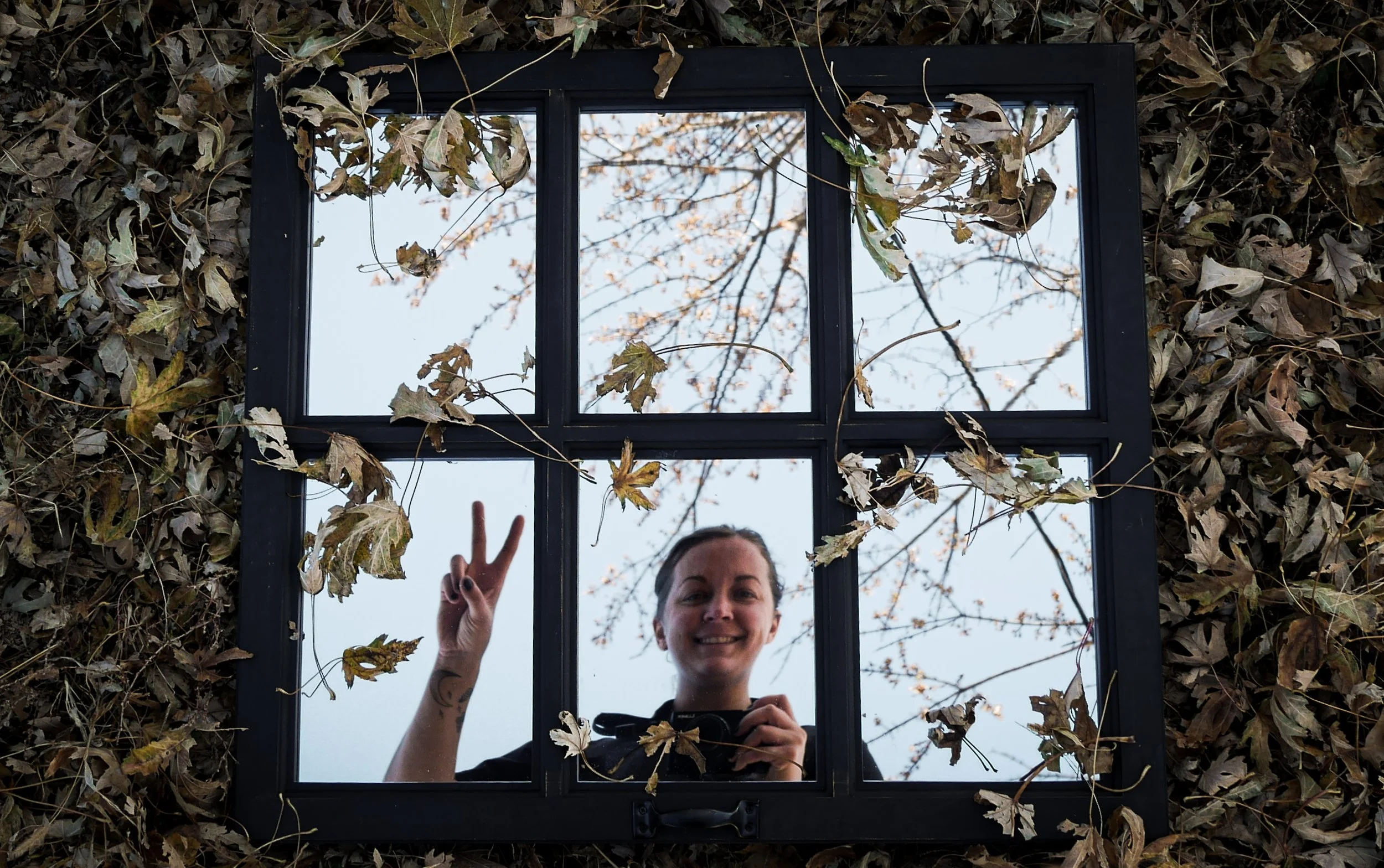
It would be dishonest of me to say it wasn’t cathartic to put Autumn on the chopping block throughout this post, and it might sound like I hate her but I don’t. There’s just absolutely no respect for her, and no chance for her to get it back. (No worries, she’s already made it clear she doesn’t want to.)
It may seem that I never saw her as a friend, but we did have a nice enough friendship in the early years. She says I only saw her as my “fat, boring, ugly” friend who made me look better, but that’s not how I saw her at all. She was my best friend and I treasured our friendship back then.
We were goofy, impulsive, naive teenagers with little life experience; we leaned on each other and had a lot of fun. We also made many silly and poor choices, but we were only kids. To me, it just seemed to go gradually downhill as time went on and we weren’t kids anymore.
I’m grateful for the good times, but they didn’t measure up to the bad, and that’s why I’m letting go. Not every friendship is built to last, people can grow apart, or one may outgrow the other, and that’s okay.
I do wish Autumn the best and always have. I hope she finds a way to heal the many excruciating pains of her past and present, and creates a fulfilling future, but I no longer wish to wait for that or play any part.
And I’m sorry for any unkind way I may have treated her in the past, for lies I told to avoid stirring the pot, for unnecessarily sticking around for too long and acting as if all was well. I’m sorry for, in my own ways, being a fatal friend to her.
My heart is still guarded — that part doesn't just switch off. Someday in the future I’d love to say I have a new best friend. Until then, I'm working on being a friend worth having.
Do you relate?
Care to share?
Comment below and let the truth set you free…